Riyadh yellow stone plain

Plain Yellow Riyadh Stone: The Simplicity That Tells the Story of the Desert
In a world where industrial materials compete for attention with their complexities, Plain Yellow Riyadh Stone remains a testament to an eternal architectural truth: simplicity is the highest form of beauty. This stone, extracted from the depths of Tuwaiq Mountain, comes in its natural purity without decorations or complex finishes, presenting a silent desert canvas that speaks the language of authenticity and warmth.
In this comprehensive guide, we will cover everything you need to know about Plain Yellow Riyadh Stone, from its definition and characteristics, through its various uses in heritage and modern architecture, to installation and maintenance tips.
What is Plain Yellow Riyadh Stone?
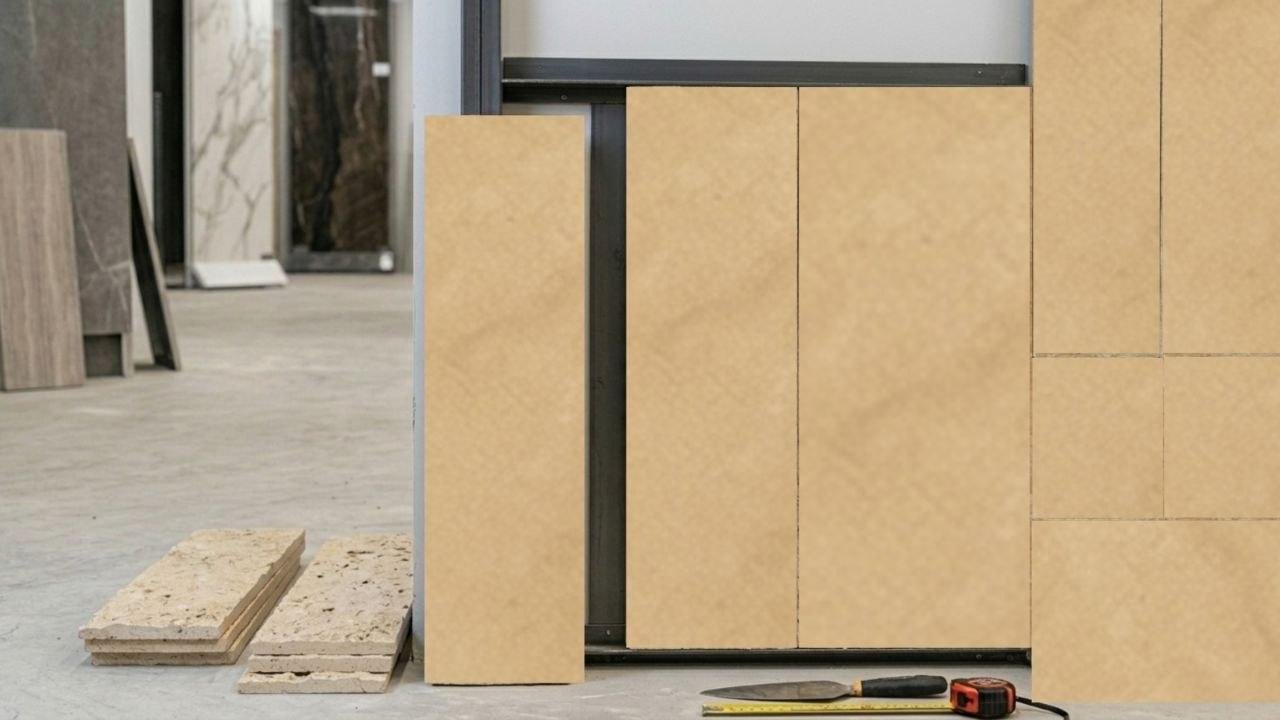
Plain Yellow Riyadh Stone is a natural limestone extracted from quarries in the Riyadh region, specifically from Jabal Tuwaiq (Tuwaiq Mountain). This stone is characterized by its warm golden-yellow color and its "plain" finish (Natural), meaning it is used in construction as is without carving, engraving, or complex finishes.
The word "Plain" (Sada in Arabic) means that the stone appears in its natural simplicity, with a relatively smooth surface (honed) or regularly machine-cut, without decorations or complexities. This style is the most common in both traditional and modern Najdi architecture.
Scientific Name and Commercial Names
This stone is known internationally by several names:
Riyadh Yellow Limestone
Desert Gold Stone
Desert Gold Limestone
Jabal Tuwaiq Stone
Geological Composition and Appearance
Yellow Riyadh Stone is a sedimentary rock primarily composed of calcium carbonate. It is characterized by the following:
Background Color: Soft, warm Golden Beige
Veins and Accents: Contains dark brown veins and reddish-brown grains that give it a distinctive natural character
Texture: Fine-grained, giving it a uniform and elegant appearance in the plain finish
Why "Plain"? The Importance of Simple Finishes
In an era of increasing visual complexity, architectural designers are returning to the roots of authentic Najdi architecture characterized by "geometric shapes and simple decoration." Plain Yellow Riyadh Stone perfectly embodies this principle:
| Characteristic | Description |
|---|---|
| Elegant Simplicity | Free of decorations and engravings, making it suitable for both modern and heritage styles |
| Honest Naturalness | Reflects the raw material as it is without concealment or exaggeration, creating an honest relationship between the building and the environment |
| Design Flexibility | Can be used in any architectural style, from traditional to minimalist to contemporary |
| Visual Timelessness | Simple design never tires the eye or goes out of fashion; it only becomes more beautiful with time |
Available Finishes for Plain Stone
"Plain" is not a single finish but rather a family of simple finishes that preserve the stone's simplicity. These include:
| Finish | Description | Final Appearance |
|---|---|---|
| Honed | Smooth, matte surface resulting from sanding the stone | Smooth, natural, non-reflective |
| Sawn Cut | Slightly rough surface resulting from the saw cutting process | Natural, untreated, simple |
| Sanded | Smooth surface resulting from using sand for smoothing | Smooth, uniform, clean |
| Aged | Surface that gives the appearance of antique stone after exposure to special treatment processes | Heritage, warm, characterful |
| Polished | Shiny, light-reflective surface | Luxurious, modern, elegant |
Note: The most in-demand plain finishes in both heritage and modern projects are Honed and Sawn Cut.
Technical Specifications of Plain Yellow Riyadh Stone
Plain Yellow Riyadh Stone possesses a set of technical characteristics that make it an excellent choice for construction in the Saudi climate:
| Property | Value | Notes |
|---|---|---|
| Stone Type | Limestone | Natural sedimentary rock |
| Primary Color | Golden Beige | Warm, natural, harmonizes with the desert environment |
| Texture | Fine Grain | Uniform and elegant appearance |
| Veins | Dark brown veins and reddish-brown grains | Distinctive natural character for each piece |
| Available Finishes | Honed, Sawn Cut, Sanded, Aged, Polished, Tumbled, Sandblasted, Bush Hammered | Suits various uses and designs |
| Sustainability | Local material with low carbon footprint | Supports local economy and architectural heritage |
| Architectural Suitability | Harmonizes with traditional Najdi style (geometric shapes, simple decoration) | Preserves cultural authenticity while meeting modern needs |
Uses of Plain Yellow Riyadh Stone
1. Exterior Facades of Heritage and Modern Buildings
The plain finish is the ideal choice for cladding exterior facades. Simplicity allows the stone to be the perfect background for architecture, whether a traditional palace or a contemporary villa. In projects like Diriyah, Yellow Riyadh Stone is used across an area exceeding 700,000 square meters to preserve architectural authenticity.
2. Interior Flooring
The honed plain finish makes the stone ideal for interior flooring. The smooth, matte surface provides ease of cleaning with a warm, natural appearance.
3. Interior Feature Walls
In halls and living rooms, plain stone can be used as a feature wall that adds warmth and simplicity without overwhelming the space with decorations.
4. Heritage Projects and Restoration
Plain Yellow Riyadh Stone is extensively used in restoring historical buildings and heritage sites such as Al-Masmak Palace and Al-Turaif District in Diriyah. Its yellow color is the natural color of old Najdi buildings.
5. Mosques and Prayer Halls
Simplicity harmonizes with the spirituality of the place. Plain stone creates an atmosphere of reverence and tranquil beauty.
6. Tourist Resorts and Hotels
The plain golden-yellow color harmonizes with the desert environment, making it a preferred choice for resorts and hotels seeking integration with nature.
7. Fences and Retaining Walls
Simplicity makes the stone suitable for fences and exterior walls, giving a fortified yet elegant appearance at the same time.
Usage Table by Plain Finish
| Plain Finish | Recommended Uses | Suitability |
|---|---|---|
| Honed | Interior flooring, interior walls, countertops | Excellent |
| Sawn Cut | Exterior facades, fences, retaining walls | Excellent |
| Aged | Restoration projects, heritage character, interior walls | Excellent |
| Polished | Luxury interior décor, countertops, luxury flooring | Very Good |
| Sanded | Interior and exterior walls, fences | Very Good |
Advantages of Plain Yellow Riyadh Stone
| Advantage | Explanation |
|---|---|
| Timeless Simplicity | Simple design never goes out of fashion; it remains elegant and attractive for decades. "Less is more" applies perfectly to this stone. |
| Authentic Architectural Identity | This stone is closely associated with the urban heritage of the Kingdom, especially in the Diriyah area which witnessed its extensive use. |
| Warm Desert Color | The golden-yellow color gives buildings warmth and harmonizes with the surrounding environment. |
| High Design Flexibility | Can be used in any architectural style: from traditional to minimalist to contemporary. |
| Natural Durability | Resistant to weather conditions; withstands summer heat and dust storms in the Kingdom. |
| Sustainability and Local Availability | Supports the local economy and reduces the carbon footprint associated with transportation. |
| Added Property Value | Buildings clad in natural stone have higher market value. |
| Thermal and Acoustic Insulation | Possesses natural thermal and acoustic insulation capabilities, contributing to energy efficiency. |
Considerations and Disadvantages
| Consideration | Explanation | Proposed Solution |
|---|---|---|
| Color Variation Between Batches | The degree of yellow color may vary between different batches from the quarry | Order sufficient quantity from the same batch to cover the entire project; obtain samples before purchase |
| Porosity | Limestone is naturally porous and may absorb liquids | Apply a high-quality penetrating sealer during installation and renew it annually |
| Medium Hardness | Softer than granite; may be susceptible to scratching under heavy loads | Avoid dragging heavy furniture across its surface; use protectors under chair legs |
| Sensitivity to Acids | Limestone reacts with acidic substances | Avoid using vinegar, lemon, and acidic cleaners for cleaning |
| Heavy Weight | Natural stone is heavier than manufactured alternatives | Consult a structural engineer before installation for large projects |
Tips for Installation and Maintenance
Installation Tips:
Choose the Right Contractor: Ensure the contractor has prior experience installing plain limestone, especially in achieving piece consistency.
Sample Inspection: Request samples of the stone before purchase to ensure color and texture match requirements.
Sufficient Quantity: Purchase an additional quantity (5-10%) to account for breakage and irregular cuts during installation.
Suitable Mortar Mix: Use a flexible cementitious mix suitable for natural stone.
Pre-Sealing: Before installation, apply a penetrating sealer to the back and sides.
Joints: Leave appropriate expansion joints (2-3 mm) between pieces to accommodate stone expansion due to temperature changes.
Final Sealing: After the mortar has dried (after 7-14 days), apply a final layer of penetrating sealer.
Regular Maintenance Tips:
Regular Cleaning: Use a soft broom or damp mop with warm water and a little mild (non-acidic) soap.
Immediate Drying: Dry the surface immediately after cleaning to avoid water spots.
Avoid Acidic Substances: Do not use vinegar, lemon, chlorine, or any cleaner containing acids.
Treat Stains Immediately: If any liquid spills on the stone, clean it immediately with a dry cloth.
Re-Sealing: It is recommended to reapply the penetrating sealer every 1-2 years.
Avoid Scratches: Use protectors under the legs of heavy furniture; avoid dragging sharp objects across the stone's surface.
Plain Yellow Riyadh Stone in Diriyah Projects: A Living Example
Diriyah, the home of the First Saudi State, is the most prominent living example of the use of Plain Yellow Riyadh Stone. According to specialized sources:
The stone is used across an area exceeding 700,000 square meters of public spaces and buildings in Diriyah
The stone is specifically chosen because it harmonizes with the traditional Najdi style that characterizes the region
The rich, earthy texture of the stone blends seamlessly with the historical mudbrick and stone structures of the area
This use ensures that new development remains faithful to its cultural roots while meeting modern needs
Conclusion
Plain Yellow Riyadh Stone is more than just a building material; it is a silent architectural statement about the beauty of simplicity and authenticity. In an era where materials and decorations compete for attention, this stone offers a sophisticated alternative: an honest natural material, with a warm desert color, and an unparalleled simple finish. Whether you are planning to build a contemporary villa, a heritage palace, a tourist resort, or even a distinctive interior wall, Plain Yellow Riyadh Stone offers you a unique blend of timeless beauty, high durability, and deep connection to Saudi architectural identity.