

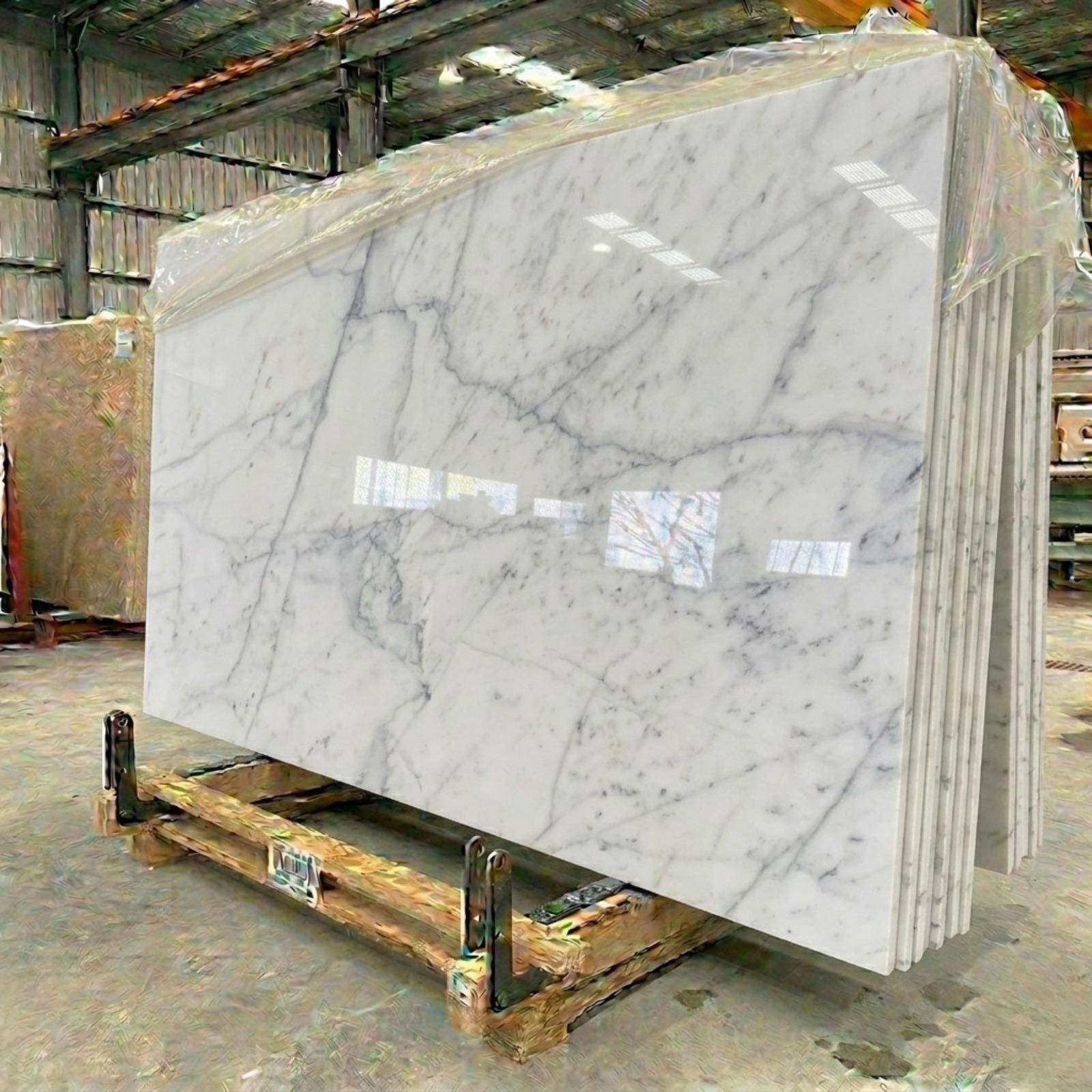
Turkish fried marble

Turkish Marble (Maqla Turki): A Comprehensive Guide to Luxury Turkish Marble
In the world of luxury natural stones, Turkish marble holds a prestigious position as one of the finest and most beautiful types of marble in the world. Marble extracted from Turkey is characterized by its unique beauty, color variety, and high quality, making it the preferred choice for luxury architectural projects around the world.
In this comprehensive guide, we will cover everything you need to know about Turkish marble (or "Maqla Turki" as it is called in some markets), from its types and characteristics, through its multiple uses, to purchasing, installation, and maintenance tips.
What is "Maqla Turki"?
"Maqla Turki" is a term used in some Arab markets, especially in the Kingdom of Saudi Arabia, to refer to natural marble imported from Turkey. This name comes from the word that may refer to Muğla, the famous region in Turkey known for its high-quality marble quarries.
Turkish marble is characterized by its natural beauty, elegant sheen, and unique formations, making it an ideal choice for luxury residential and commercial projects.
Most Important Types of Turkish Marble
1. Muğla White Marble
Muğla White Marble is considered one of the most famous and finest types of Turkish marble, and is also known as "Turkish Carrara Marble" due to its similarity to Italian Carrara marble.
Characteristics and Advantages:
Color: Pure white with grey or yellowish-gold veins
Source: Extracted from the mountains of the Muğla region in western Turkey
Uses: Suitable for flooring, interior walls, bathroom walls, vanities, and exterior facades
Thermal Insulation: Characterized by its ability to reflect sunlight, making it ideal for hot regions such as the Arab Gulf countries
2. Muğla Staircase Marble
Muğla marble is specifically available for staircase applications, available in lengths ranging from 100 to 160 cm. It is characterized by its white color with random black lines that vary from batch to batch.
Important Note: Because marble is a natural product, the black lines may be many or few, clear or faint, so the actual appearance of the marble differs from displayed images.
3. Other Types of Turkish Marble
Turkey also produces multiple types of marble in various colors and formations, offering wide options suitable for all tastes and architectural designs.
Technical Properties of Turkish Marble
| Property | Description |
|---|---|
| Type | Natural marble (metamorphic rock from limestone) |
| Country of Origin | Turkey (Muğla region primarily) |
| Primary Color | White with grey or gold veins |
| Shine | High (after polishing) |
| Heat Resistance | High - suitable for kitchens and hot regions |
| Moisture Resistance | Good |
| Acid Resistance | Weak (requires special care) |
| Cool Surface | Maintains coolness, ideal for pastry preparation |
| Available Finishes | Polished, Honed, Leathered, Sandblasted |
Available Finishes for Turkish Marble
Turkish marble is available in several surface finishes suitable for different uses:
| Finish | Description | Recommended Uses |
|---|---|---|
| Polished | Shiny, reflective surface, gives luxurious radiance | Interior flooring, walls, countertops |
| Honed | Smooth, matte surface, hides fingerprints | High-traffic interior flooring, bathrooms |
| Sandblasted | Rough, matte surface, slip resistant | Exterior facade cladding, outdoor flooring, gardens |
| Leathered | Soft texture with slight sheen | Kitchen countertops, tables |
Uses of Turkish Marble
1. Kitchen Countertops
Turkish marble is an excellent choice for luxury kitchen countertops. It is characterized by its durability, distinctive appearance, and ability to add a touch of elegance and luxury to the kitchen. It also maintains its coolness, making it an ideal surface for preparing pastries and desserts.
2. Interior Flooring
Turkish marble is widely used in flooring for villas, palaces, hotels, and mosques. Its luxurious white color adds radiance and spaciousness to areas.
3. Interior Walls and Facades
Turkish marble can be used in cladding interior walls as a feature wall, as well as in cladding building exterior facades.
4. Stairs
Turkish marble is specifically available for staircase applications, adding luxury and elegance to entrances and halls.
5. Luxury Bathrooms
It is used in bathroom floors, walls, and vanities, adding a touch of purity and elegance.
6. Commercial Projects and Hotels
Due to the availability of large quantities with consistent quality, Turkish marble is used in large-scale projects such as hotels, shopping centers, and airports.
Usage Table by Finish
| Finish | Recommended Uses | Suitability |
|---|---|---|
| Polished | Interior flooring, walls, countertops, entrances | Excellent |
| Honed | High-traffic interior flooring, bathrooms | Excellent |
| Sandblasted | Exterior facades, walkways, gardens | Excellent |
| Leathered | Kitchen countertops, tables | Very Good |
Advantages of Turkish Marble
| Advantage | Explanation |
|---|---|
| Luxurious Natural Beauty | Characterized by unique natural formations and veins that give it a distinctive, non-repeatable appearance |
| High Durability | A durable and hard material that resists high temperatures and scratches well |
| Versatility | Can be used in flooring, walls, stairs, kitchen countertops, and facades |
| Excellent Thermal Insulation | The white color reflects sunlight, reducing heat absorption in hot regions |
| Large Availability | One of the most available types of marble, making it suitable for large projects |
| Cool Surface | Maintains its coolness, ideal for pastry preparation |
| Added Property Value | Increases property value and reflects refined taste |
| Competitive Prices | Characterized by lower prices compared to Italian marble with excellent quality |